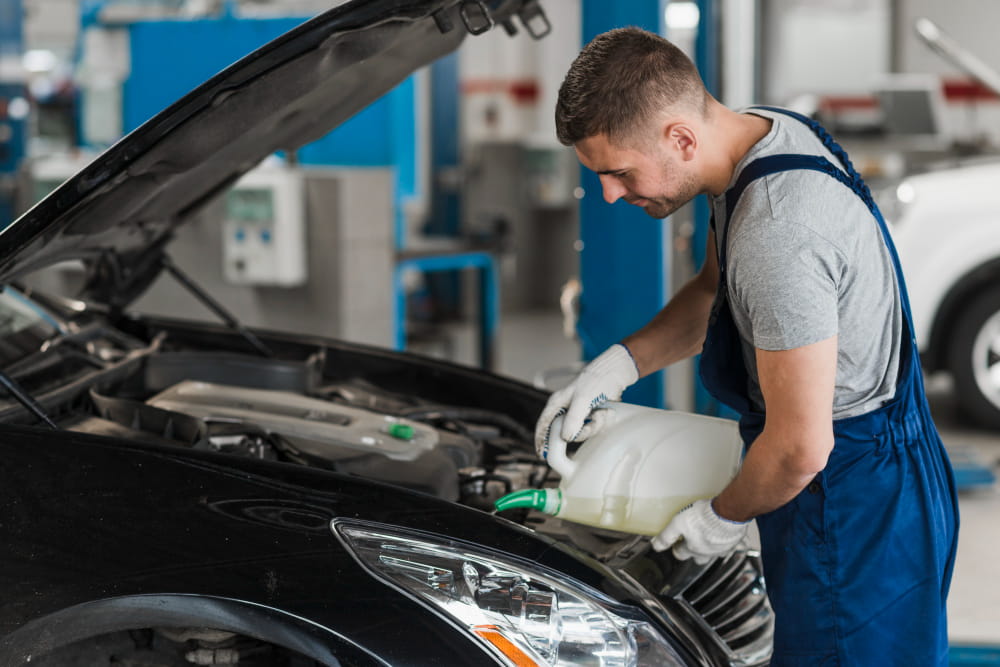
If you've been keeping up with your oil change in Atlanta, GA, give yourself some credit — you're already doing better than a lot of drivers out there. But here's something most people don't realize: an oil change, as important as it is, is just one piece of a much bigger puzzle.
Your car is a complex machine with dozens of systems working together every single time you turn the key. Fluids degrade, tires wear unevenly, brakes thin out, and filters get clogged — all while you're focused on getting from point A to point B. The real secret to keeping your car running strong for years isn't just changing the oil on schedule. It's understanding what else needs attention and why.
This guide breaks down everything you're likely missing — and what you can do about it before a small issue turns into a big repair bill.
Why an Oil Change Alone Isn't Enough
There's a reason oil changes are so widely talked about — they genuinely matter. Clean engine oil lubricates moving parts, reduces friction, helps regulate engine temperature, and keeps sludge from building up. Whether you're due for an express oil change in Atlanta, GA or a full-service visit, staying on top of this one task goes a long way.
But here's the thing: while your oil is being changed, several other components in your car are quietly aging too. Coolant breaks down and loses its ability to prevent overheating. Brake fluid absorbs moisture and becomes less effective under pressure. Transmission fluid darkens and stops protecting your gears the way it should.
Neglecting these things doesn't just wear your car down faster — it puts you at risk. An overheated engine or failing brakes don't give you a lot of warning. Prevention, as any mechanic will tell you, is almost always cheaper than repair.
The Preventive Car Maintenance Checklist You Actually Need
Thinking about car maintenance as a full checklist — rather than just "time for an oil change" — completely changes how you care for your vehicle. Here's what should be on your radar.
1. Vehicle Fluid Inspection Services
Beyond engine oil, your car relies on several other fluids to function properly. A thorough vehicle fluid inspection service should cover:
- Coolant (antifreeze): Keeps your engine from overheating in summer and freezing in winter. It should be flushed and replaced roughly every 30,000 miles or every two years, though this varies by make and model.
- Transmission fluid: Protects the gears and components inside your transmission. Dirty or low transmission fluid is one of the leading causes of costly transmission damage.
- Brake fluid: Over time, brake fluid absorbs moisture from the air, which lowers its boiling point and makes your brakes feel spongy. Most manufacturers recommend replacing it every two years.
- Power steering fluid: If your steering has started feeling stiff or you hear a whining noise when turning, low or degraded power steering fluid may be the culprit.
- Windshield washer fluid: Easy to overlook, but running dry at the wrong moment — like behind a truck throwing road debris — can be a real hazard.
When you bring your car in for an oil change service in Atlanta, GA, ask your technician to do a complete fluid check at the same time. It takes just a few extra minutes and can reveal problems before they escalate.
2. Tire Rotation and Alignment Service
Your tires are your car's only contact with the road. How well they're maintained directly affects your safety, your fuel economy, and how much you'll spend replacing them.
Tire rotation involves moving each tire to a different position on the vehicle so they wear evenly. Front tires — especially on front-wheel-drive cars — tend to wear faster because they handle both steering and power. Rotating them regularly (typically every 5,000 to 7,500 miles) extends their overall lifespan.
Wheel alignment is a different matter entirely. Alignment refers to the angle at which your tires meet the road. If you've hit a significant pothole recently, or if your car pulls to one side while driving straight, your alignment may be off. Misaligned wheels cause uneven and premature tire wear, reduce fuel efficiency, and make the car harder to handle.
Both services are often bundled together and are worth scheduling every time you're in for car oil change near my appointment. You'll get more life out of your tires and a better, safer drive.
3. Brake Inspection and Repair
Brakes are one of the most critical safety systems in your vehicle, yet they often get ignored until something feels noticeably wrong. By that point, you may have worn past the brake pads and into the rotors — which turns a relatively inexpensive pad replacement into a much costlier job.
A brake inspection checks:
- Brake pad thickness: Pads should typically be replaced when they're down to about 3mm. Some pads have wear indicators that produce a squealing noise when it's time.
- Rotor condition: Rotors can warp from heat cycling or become scored from worn pads. A technician will measure them to ensure they're still within safe limits.
- Brake lines and hydraulics: Cracks, leaks, or low fluid can compromise braking performance significantly.
- Calliper function: Sticking callipers can cause uneven braking and cause pads to wear down on one side faster than the other.
A good rule of thumb: get a brake inspection at least once a year, or every 12,000 miles — whichever comes first. Many shops include this as part of routine oil change service in Atlanta, GA, visits, so it's worth asking.
4. Air Filter Replacement
Your engine needs a precise mix of air and fuel to run efficiently. The air filter keeps dust, dirt, and debris out of the engine, but over time it gets clogged and restricts airflow. A dirty air filter forces your engine to work harder, which reduces fuel economy and can lead to rough idling or sluggish acceleration.
Engine air filters are typically replaced every 15,000 to 30,000 miles, though if you drive on dusty or unpaved roads frequently, you may need to replace yours sooner. There's also a cabin air filter — separate from the engine air filter — that keeps the air inside your vehicle clean. A clogged cabin filter reduces HVAC efficiency and can cause musty smells inside the car.
Both filters are inexpensive and quick to swap out. Don't overlook them.
5. Battery Testing
Few things are more frustrating than a car that won't start — especially when it happens with no warning on a hot Atlanta morning or a cold winter night. Car batteries typically last three to five years, but heat (which Atlanta has plenty of) accelerates battery degradation significantly.
Many shops can perform a battery load test during your oil change visit. This checks whether your battery is still holding a charge properly and whether your alternator is charging it correctly. If the battery is showing signs of weakness, replacing it proactively is far less painful than getting stranded.
6. Engine Performance Maintenance Tips
If you've ever noticed a check engine light, decreased fuel economy, or hesitation when accelerating, those are signs that your engine may need some attention beyond just an oil change. Here are a few engine performance maintenance tips to keep in mind:
- Spark plug replacement: Worn spark plugs can cause misfires, poor fuel economy, and sluggish acceleration. They're typically replaced every 30,000 to 100,000 miles depending on the type.
- Fuel system cleaning: Over time, fuel injectors can develop deposits that affect spray patterns and reduce efficiency. A fuel system cleaning can restore performance.
- PCV valve inspection: The positive crankcase ventilation valve plays a role in reducing emissions and maintaining engine pressure. A stuck or faulty PCV valve can cause oil leaks and rough running.
- Timing belt/chain service: This is a high-stakes maintenance item. A snapped timing belt can cause catastrophic engine damage in some vehicles. Check your owner's manual for the replacement interval.
How Often Should You Service Your Car?
One of the most common questions drivers ask is: How often should you service your car? The honest answer is that it depends on your specific vehicle, your driving habits, and the conditions you drive in. But here are some general guidelines:
| Service | Typical Interval |
| Oil change | Every 3,000–7,500 miles (varies by oil type) |
| Tire rotation | Every 5,000–7,500 miles |
| Brake inspection | Every 12,000 miles or once per year |
| Air filter replacement | Every 15,000–30,000 miles |
| Coolant flush | Every 30,000 miles or 2 years |
| Transmission fluid | Every 30,000–60,000 miles |
| Battery test | Every year, especially after 3 years |
| Spark plugs | Every 30,000–100,000 miles (depends on type) |
| Wheel alignment | Once a year, or after major impacts |
Your owner's manual is always the most reliable reference for your specific make and model. And if you're unsure, a trusted shop offering oil change service in Atlanta, GA and full vehicle inspections can put together a maintenance plan tailored to your car's needs and mileage.
Don't Wait Until Something Breaks
The pattern most drivers fall into is reactive maintenance — they bring the car in when something feels off or a warning light comes on. And while that's better than ignoring a problem entirely, it almost always costs more than it would have with routine preventive care.
Think of your car the way you'd think about your own health. You don't wait until you're seriously ill to see a doctor. Regular checkups catch things early, and early intervention is almost always less expensive and less disruptive than dealing with a full-blown crisis.
When you're searching for a car oil change near me in the Atlanta area, look for a shop that offers comprehensive vehicle inspections alongside the oil change. A good technician will look at your fluids, brakes, tires, battery, and filters and give you an honest picture of where your car stands — without pressuring you into repairs you don't need.
The Bottom Line
Your oil change routine is a great starting point, but keeping your car truly healthy means going a few steps further. From fluid inspections and brake checks to tire rotations and battery tests, the full picture of preventive car maintenance is what separates a car that lasts 200,000 miles from one that leaves you stranded at 80,000.
If you're in the Atlanta area and looking for a shop that treats every visit as more than just an oil change — one that actually looks out for your vehicle and gives you honest, straightforward advice — make sure to ask about their complete inspection services. A little attention today can save you a lot of headaches (and money) down the road.